
Table Styling Tips
Style a party table that feels coordinated, practical and ready for guests.
Start with the table size and guest count, then build the setting in a clear order: foundation, place settings, centerpiece details and finishing accents. Repeating a focused palette across plates, cups, napkins and decor creates a polished result without crowding the surface.
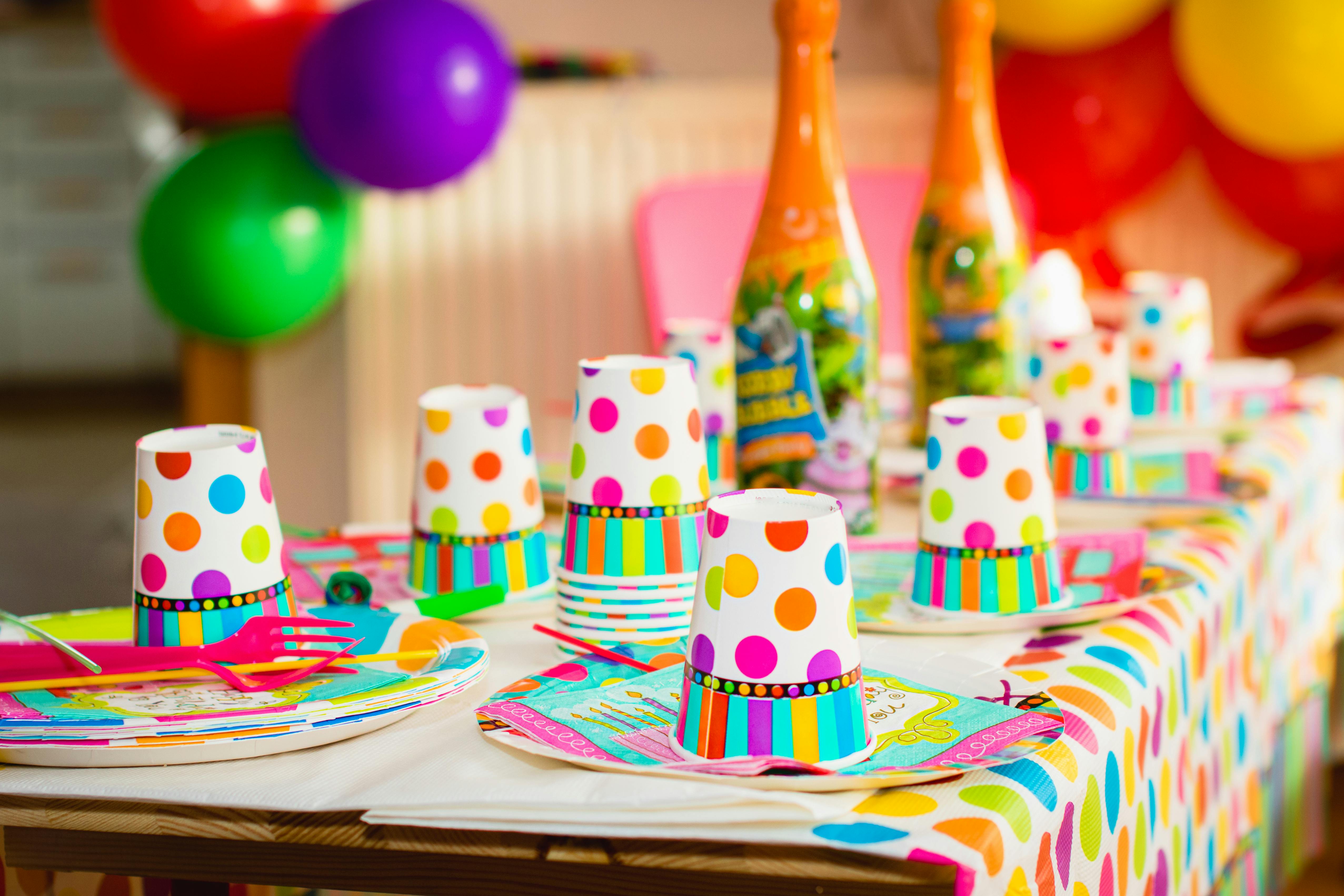
Four decisions that make a party table feel intentional from every seat.
Table styling works best when practical items establish the structure and decorative elements support that structure instead of competing with it.
Start with table size
Confirm the usable surface before choosing place-setting width, centerpiece scale or the amount of table decoration.
Measure firstBuild one color story
Use two or three coordinated tones across plates, cups, napkins, table covers and small decorative accents.
Repeat, do not overloadProtect guest space
Keep centerpieces low, leave room between place settings and avoid decorative pieces that interfere with serving or conversation.
Comfort mattersFinish with small accents
Add confetti, cake accessories, favor details or photo props after the tableware and main centerpiece are already balanced.
Details come last
Let tableware establish the rhythm before adding decorative volume.
Plates, cups, napkins and cutlery already occupy most of the guest-facing surface. Treat them as part of the styling instead of hiding them beneath extra decoration.
- Choose a table cover that supports the palette without competing with plates and cups.
- Keep place settings aligned so repeated shapes create a clean visual rhythm.
- Use napkins to introduce one accent color without adding another decorative object.
- Reserve the center of the table for low centerpieces or practical serving pieces.
Think in three layers: foundation, guest essentials and finishing detail.
Table cover and base tone
Start with a white, blush, warm neutral or other light foundation. A quieter base gives patterned plates, colorful cups and decorative details more room to stand out.
Best for establishing visual calm across the full table.
Plates, cups and napkins
Coordinate these pieces as a set. Repeated color and shape create consistency even when the centerpiece and backdrop use different decorative forms.
Best for making each guest place feel deliberate and easy to use.
Centerpieces and finishing accents
Add confetti, low centerpieces, candles, cake details or small favors only after the core table is complete. Keep the center visually clear enough for guests to interact comfortably.
Best for adding personality without reducing practical table space.
Use repetition, spacing and scale to keep the table polished instead of busy.
A strong table usually repeats the same few shapes and colors while leaving clear areas for food, drinks and guest movement.
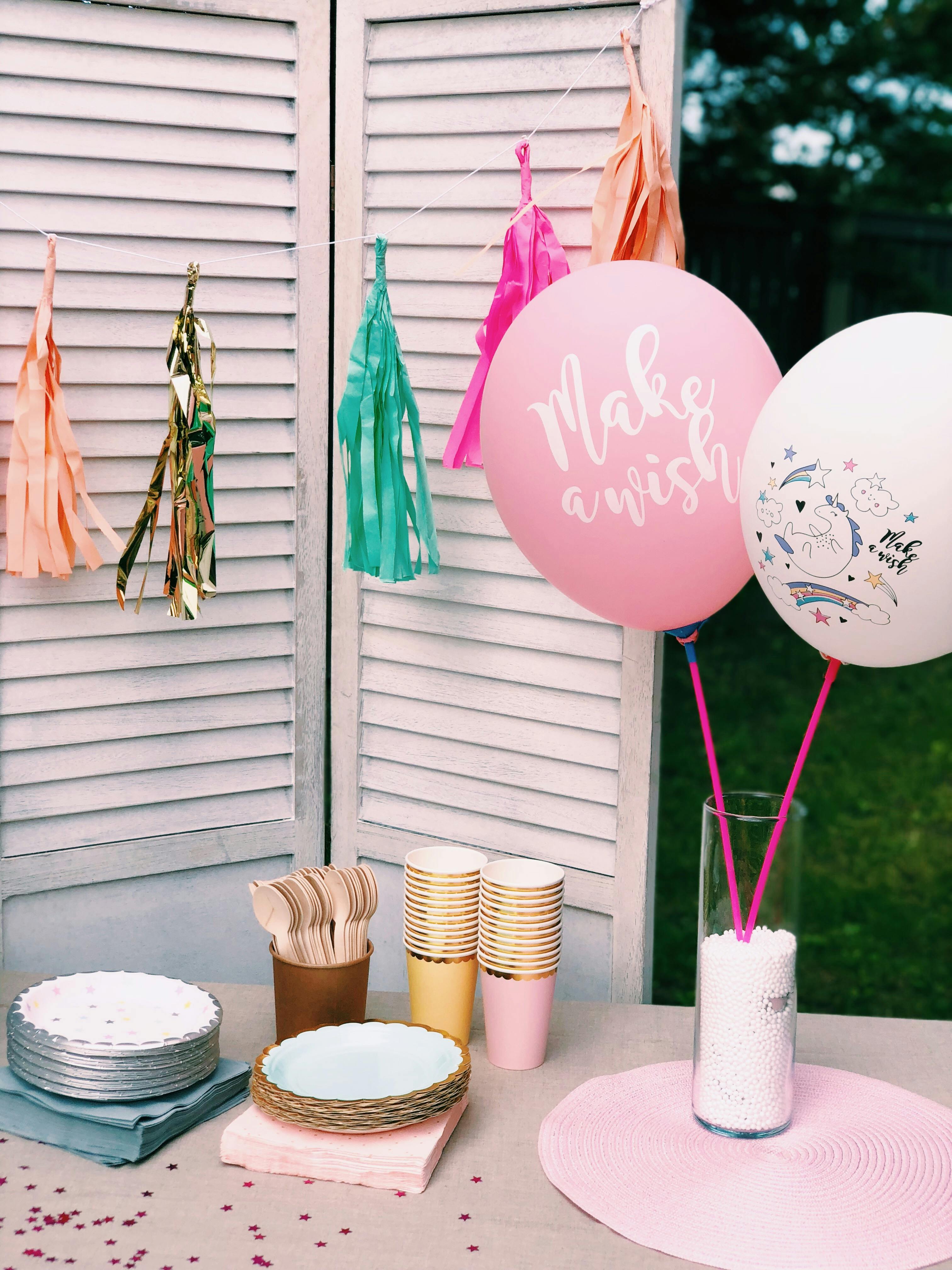
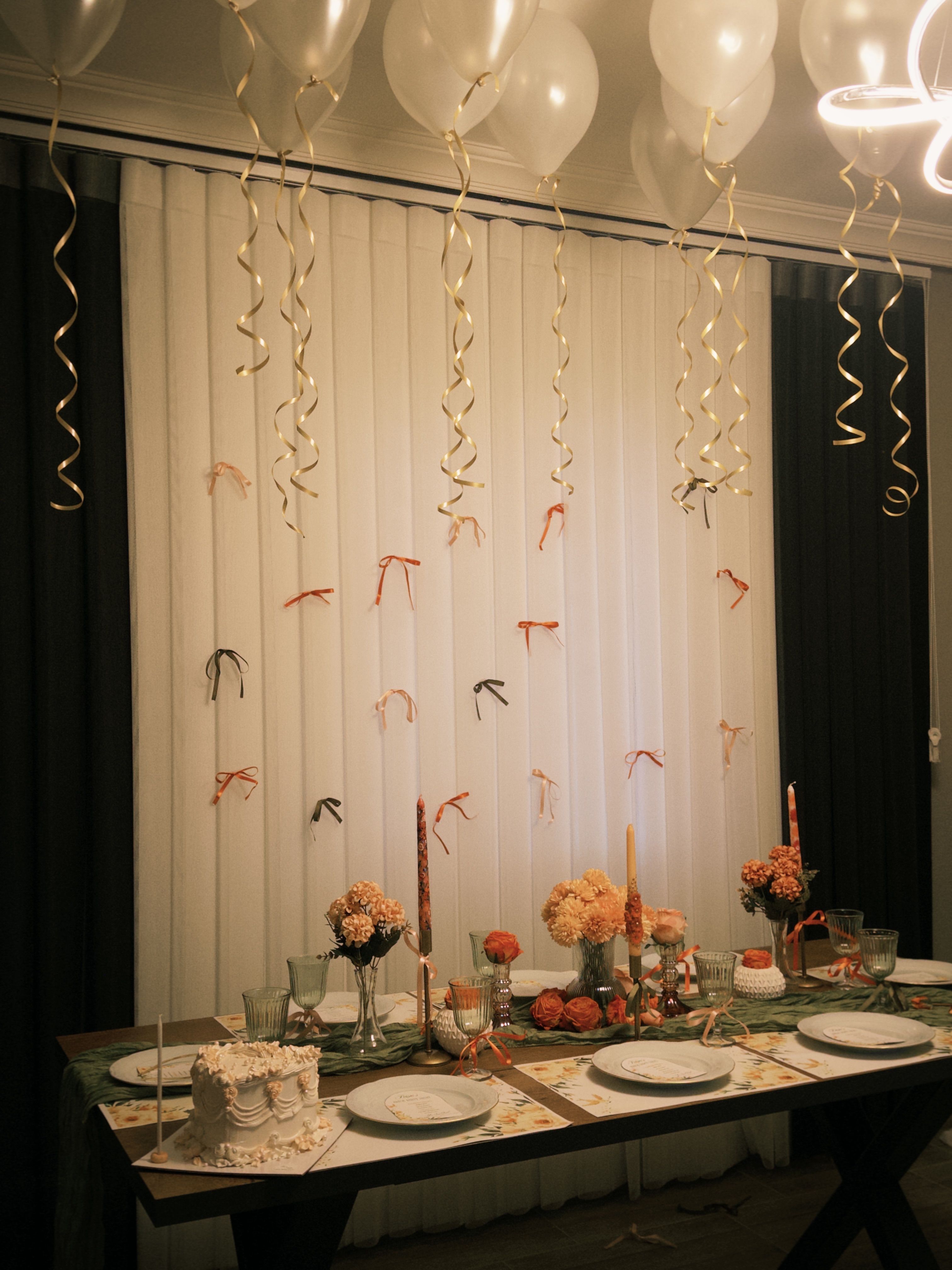
Choose quantities by guest count and decorative scale, not by visual guesswork.
Tableware follows attendance. Centerpieces follow table count and table size. Confetti and small accents work best in restrained amounts. Treat each category separately so the table stays balanced.
Style the table in a sequence that protects space and keeps the final result balanced.
Working from large surfaces to small details makes it easier to see when the table already has enough visual interest.
Need help choosing table pieces that work together?
Browse Fetoria collections to compare celebration essentials, or contact us when you need help narrowing down practical options for plates, cups, napkins, table covers, centerpieces and party accents.
A polished party table comes from a clear base, coordinated tableware, restrained center details and enough open space for guests to use the setting comfortably.
Explore Fetoria Collections